

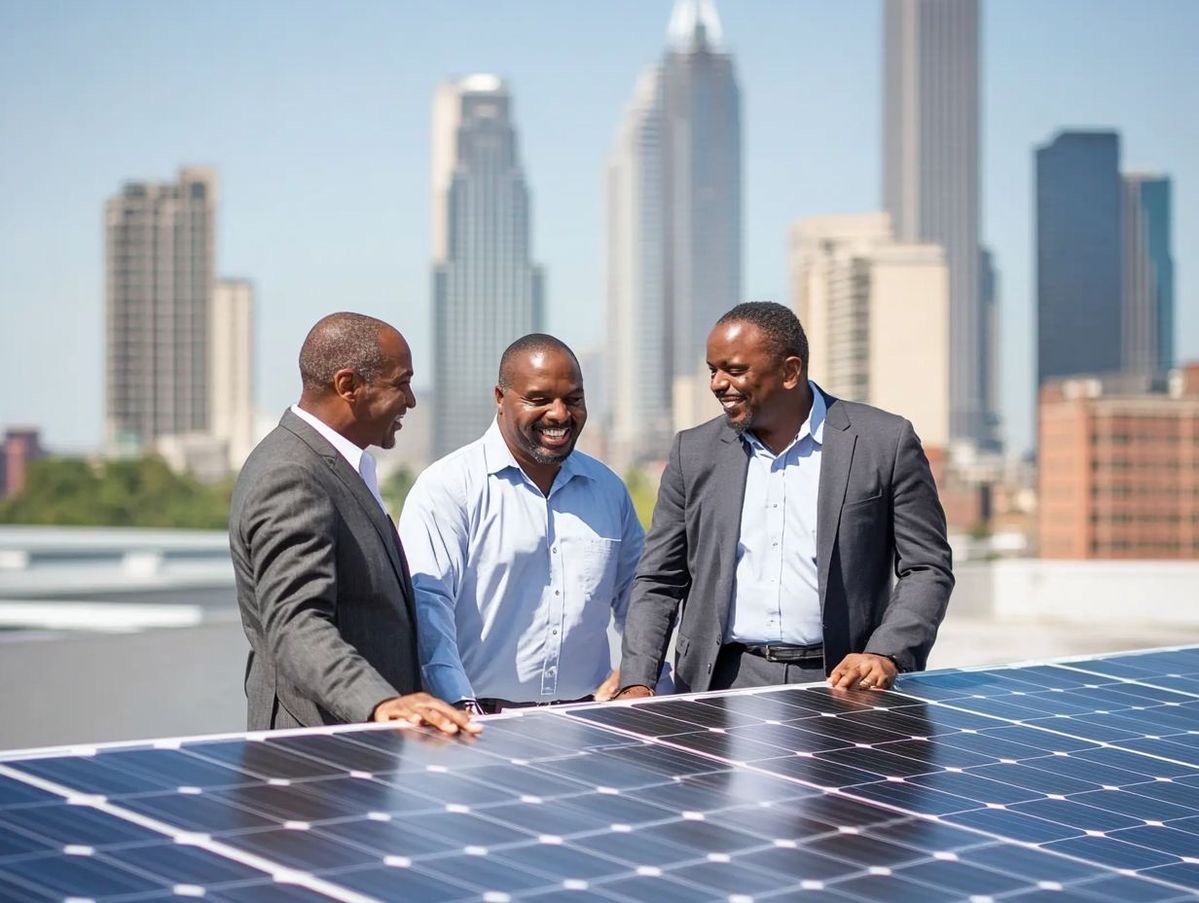
As COP31 preparations begin in the Pacific, African leaders are pushing for more climate finance, affordable clean energy, stronger infrastructure and job opportunities for young people.
The global climate conversation is entering another important stage this week as countries prepare for the 2026 United Nations Climate Change Conference, known as COP31.
Before the main climate summit begins in Antalya, Türkiye, in November, the official COP31 Pre-COP meetings will take place from October 5 to 8, 2026, in Fiji, Tuvalu and Australia. The meetings are expected to help build momentum for the negotiations that will take place later in the year.
For Africa, however, COP31 is about much more than climate targets.
African governments are pushing for greater access to climate finance, renewable energy investment, affordable electricity, climate-resilient infrastructure and a transition that can create decent employment opportunities for the continent’s growing population.
That makes COP31 particularly important for African countries such as Nigeria, where energy access, electricity reliability, economic development and employment remain major challenges.
What Is COP31 and Why Does It Matter?
COP31 is the 31st Conference of the Parties to the United Nations Framework Convention on Climate Change.
The main conference will take place in Antalya, Türkiye, from November 9 to 20, 2026. Türkiye will host the conference, while Australia will serve as the President of Negotiations.
COP meetings bring together governments, negotiators, businesses, scientists, young people, civil society organisations and other stakeholders to negotiate international responses to climate change.
Issues discussed at COP can include:
- Reducing greenhouse-gas emissions
- Adapting to climate change
- Climate finance
- Renewable energy
- Energy security
- Loss and damage
- Climate-resilient infrastructure
- Technology and capacity building
- Sustainable development
However, the discussions are increasingly moving beyond promises and targets toward a more practical question:
How can countries actually finance and implement climate solutions?
That question is particularly important for Africa.
Why Africa Is Paying Close Attention to COP31
African countries are among those most exposed to climate-related risks, while the continent has historically contributed a relatively small share of global greenhouse-gas emissions.
Ahead of COP31, the African Union has been working to establish a coordinated continental position.
In September, Kenyan President William Ruto convened the Committee of African Heads of State and Government on Climate Change to advance Africa’s common position ahead of COP31.
The African Union identified several priorities, including greater and more accessible adaptation finance, support for loss and damage, access to technology and capacity building, and just-transition arrangements that expand affordable energy and create decent employment opportunities for African youth and women.
This is an important shift in the way climate change is being discussed.
For Africa, climate action is not only about reducing emissions. It is also about development.
Climate Finance Is One of Africa’s Biggest Concerns
One of the biggest issues heading into COP31 is climate finance.
African countries need significant investment to build infrastructure that can withstand climate-related shocks, expand renewable energy, improve agriculture, strengthen water systems and protect vulnerable communities.
The African Union has therefore called for climate finance that is accessible, affordable and predictable, while also warning against increasing debt vulnerabilities.
The concern is straightforward.
A country can have ambitious climate plans, but without affordable financing, turning those plans into solar projects, modern electricity networks, resilient roads, irrigation systems or flood protection can be difficult.
The Economic Commission for Africa also highlighted the need for Africa to move from climate commitments toward implementation as the continent prepares for COP31 and the African-hosted COP32 in Ethiopia in 2027.
Africa’s Energy Problem Is Also a Climate Problem
Energy will be another major part of the conversation.
According to the International Energy Agency’s latest energy-access data, about 655 million people worldwide still lacked access to electricity, with more than 560 million people in Sub-Saharan Africa among those without electricity.
The same report found that around 970 million people in Sub-Saharan Africa lack access to clean cooking.
This creates a difficult balancing act for African governments.
Countries need to expand electricity access rapidly to support businesses, hospitals, schools, manufacturing and households.
At the same time, they are under pressure to reduce emissions and move toward cleaner energy systems.
This is why Africa’s energy transition cannot simply be about replacing one energy source with another.
It must also answer a more fundamental question:
How can Africa provide more people with reliable and affordable energy while building a cleaner and more resilient economy?
A New Global Push for Africa’s Electricity Grids
One of the most interesting developments ahead of COP31 is the launch of the Global Grids Accelerator by UN Secretary-General António Guterres in September.
The initiative is designed to help accelerate investment in electricity infrastructure across Africa and Southeast Asia and turn national and regional priorities into projects that can actually attract financing and move toward implementation.
This matters because renewable energy alone is not enough.
A country can build solar or wind power, but that electricity still needs reliable infrastructure to reach homes, businesses and industries.
The African Development Bank said the initiative will build on existing African programmes, including the African Single Electricity Market, the Continental Power System Master Plan and Mission 300.
The wider goal is to expand reliable electricity access while supporting economic growth and new industries.
For countries with significant electricity-access challenges, stronger grids could therefore become one of the most important parts of the energy transition.
What Does This Mean for Jobs in Africa?
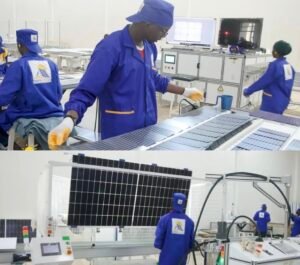
The climate transition is also becoming a labour-market issue.
The International Energy Agency reported in June 2026 that demand for skilled workers is increasing across renewable energy, electricity grids and energy-efficiency industries, while skills shortages are becoming a barrier to expansion.
That means the transition toward cleaner energy could create demand for workers with technical and professional skills.
Potential areas include:
- Solar installation and maintenance
- Electrical engineering
- Power-grid engineering
- Battery and energy-storage technology
- Energy management
- Renewable-energy project development
- Environmental management
- Climate and sustainability analysis
- Energy-efficiency services
- Green construction
- Data and technology for energy systems
This does not mean every person who learns a renewable-energy skill will automatically get a job abroad.
Rather, the bigger opportunity is that countries transitioning their energy systems will need people who can build, operate, maintain, finance and manage those systems.
For African young people, that makes technical and digital skills increasingly relevant to the future economy.
What About Nigeria?
Nigeria has a particularly important role to play in this conversation.
The country has enormous energy needs, a large and youthful population, significant solar potential and a major need for reliable electricity to support businesses and industrial development.
Nigeria’s climate and energy discussions therefore cannot be separated from economic development.
For many Nigerian businesses, reliable electricity directly affects:
- Production costs
- Operating hours
- Internet and digital services
- Small-business growth
- Manufacturing
- Cold-chain systems
- Healthcare
- Education
- Household income
The clean-energy transition could therefore create opportunities not only in environmental work but also across engineering, manufacturing, technology, construction, finance and entrepreneurship.
Why the October Pre-COP Meetings Matter
The meetings beginning October 5 are not the main COP31 conference.
They are part of the preparation for the negotiations in November.
Fiji, Tuvalu and Australia are partnering to deliver the official Pre-COP ministerial meeting and Leaders’ event from October 5 to 8. The Pacific location is deliberate: it puts countries that are highly exposed to climate change directly at the centre of the international conversation.
The Pre-COP stakeholder programme is being organised around four major themes:
- Keeping the 1.5°C goal within reach
- Improving access to climate finance
- Strengthening the ocean-climate connection
- Amplifying Pacific voices and leadership
Health and climate are also part of the programme.
The discussions will help build momentum toward the larger negotiations in Antalya.
COP31 Is Becoming About Implementation
For Africa, perhaps the most important message going into COP31 is the need to move from commitments to implementation.
The African Union has called for climate action that delivers investment, renewable energy, clean cooking, resilient infrastructure, economic transformation and employment.
That is why energy is so important.
A successful energy transition can potentially deliver more than lower emissions. It can also improve electricity access, strengthen energy security, support businesses, create new industries and generate employment.
The United Nations’ recent Global Grids Accelerator reflects this broader approach by linking electricity infrastructure with economic growth, clean energy and industrial development.
What Young Africans Should Watch
For young Africans, COP31 may sound like a distant meeting involving presidents and diplomats.
But the decisions made around climate and energy can eventually influence the industries, skills and investment opportunities available in African economies.
Young people should therefore watch developments around:
- Renewable energy
- Solar technology
- Electricity infrastructure
- Battery storage
- Electric mobility
- Climate technology
- Sustainable agriculture
- Environmental services
- Green construction
- Climate finance
- Digital technology for energy systems
The opportunity will not necessarily come from climate policy alone.
It can come from the businesses, technologies and jobs created as countries respond to the energy and climate challenges.
Final Thoughts
COP31 arrives at an important moment for Africa.
The continent needs stronger climate resilience, but it also needs economic growth, reliable electricity, industrial development and employment for its rapidly growing population.
That is why African priorities going into COP31 are increasingly centred on finance, energy, infrastructure, technology and jobs, rather than climate promises alone.
The official Pre-COP meetings begin on October 5, followed by the main COP31 conference in Antalya in November.
For Africa, the biggest question will be whether international climate commitments can finally translate into investment and practical projects that improve lives on the ground.
And for young Africans, the energy transition could become one of the areas worth watching most closely—not simply as a climate issue, but as a potential source of new skills, businesses and employment in the years ahead.
